
News
Guided Professional Tour of Murska Sobota’s Urban plantings report

On Friday, October 20th, 2023, we explored the green spaces of Murska Sobota, with 15 participants in attendance. The tour began at the headquarters of Komunala d. o. o. Murska Sobota and was led by Melita Varga Lemut, M.Sc. in Agricultural Engineering, who oversees landscape management at the company. Expert commentary and guidance were provided by Bernarda Strgar, Matjaž Mastnak, and prof. dr. Gregor Osterc.
Bernarda Strgar is a biologist (M.Sc.) who also completed studies in garden design in London. For over a decade, she has specialized in comprehensive planning of gardens and public green spaces, and she manages a highly successful perennial nursery. Matjaž Mastnak, M.Sc. in Forestry, is a leading expert and dendrologist at Arboretum Volčji Potok, and a highly regarded lecturer and author of numerous professional publications. Prof. dr. Gregor Osterc is a university lecturer at the Biotechnical Faculty in Ljubljana, covering ornamental and landscape horticulture.
Layered planting design
Near the headquarters of Komunala d. o. o., newly planted trees are supplemented with groundcover of low shrubs and perennials. Shrubs create a layered planting structure that mimics natural ecosystems. The roots of lower plants loosen the soil, improving its permeability to water and air, which promotes healthier tree growth. Low shrubs also reduce the impact of raindrops, prevent surface runoff, enhance water infiltration, and consequently reduce the load on drainage systems.
Perennials have a similar effect under the trees. Since perennials are usually leafless in early spring, they are often combined with bulbs, with a recommended density of 25–50 bulbs per m². Perennials along roadsides require maintenance, but so does turf with regular mowing, fertilization, and irrigation.
Dušan Zver from Eko-park Lendava highlighted that watering bags have proven highly effective for establishing trees in urban areas. Similar positive results with watering bags have been observed in Maribor, which we visited last year.
Along the entrance path to the park in Murska Sobota, we observed another layered planting of roses, boxwood, and juniper along the walkway. Nearby is a playground, which has recently faced issues with playground equipment. Equipment must be purchased through public tenders, and the lowest bid is always selected. This often results in lower-quality equipment, leading to ongoing problems. It is important that the contracting authority (the municipality) insists on specific types and quality standards of playground equipment. We also discussed the planting of young trees within and immediately around the playground as a good example of correct species selection and implementation.
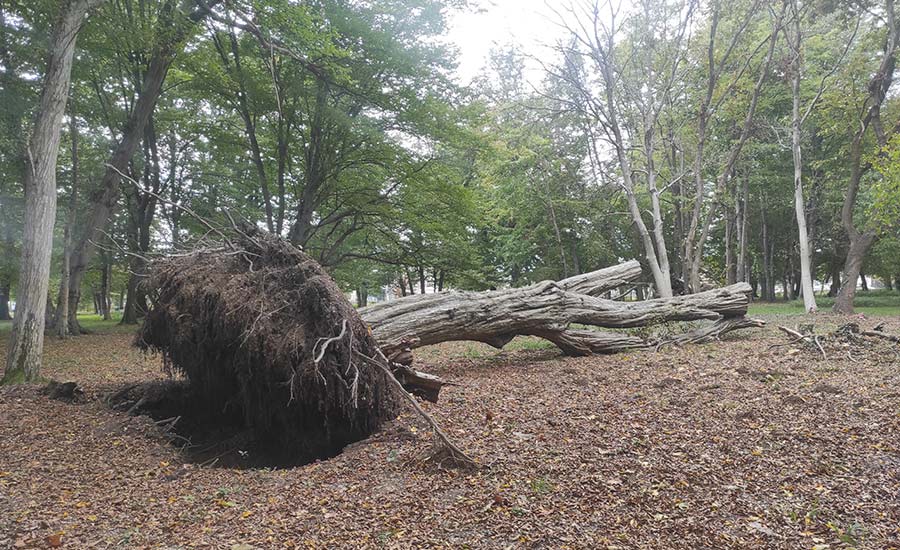 Figure 2: A ‘fallen’ tree can contribute significantly to increasing biodiversity
Promoting biodiversity in urban parks
Melita Varga Lemut presented various maintenance approaches in the park. On some areas, the grass is mowed only once a year to enhance biodiversity. She emphasized that visitors need time to adjust to this type of maintenance. A participant from Eko-park Lendava confirmed that changing established maintenance practices often meets public resistance. It is essential to clearly explain the reasons for such changes and remain consistent in their implementation.
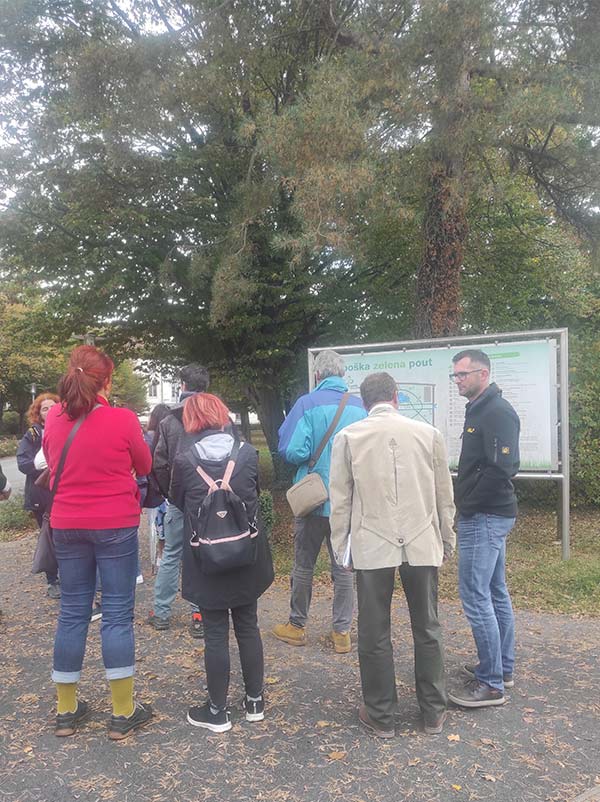 Figure 3: A guided walk through the city park sparked an engaging discussion among participants.
A greater diversity of plant species creates a more pleasant urban environment
As we were leaving the park, we made a stop at a large, paved area where red oak (Quercus rubra) trees were planted in pits with small surface openings. This is an unsuitable growing environment for the trees, as the surrounding pavement heats up significantly, exposing them to intense stress. Tree growth is further hindered along the southern wall of the building, where heat exposure is even greater.
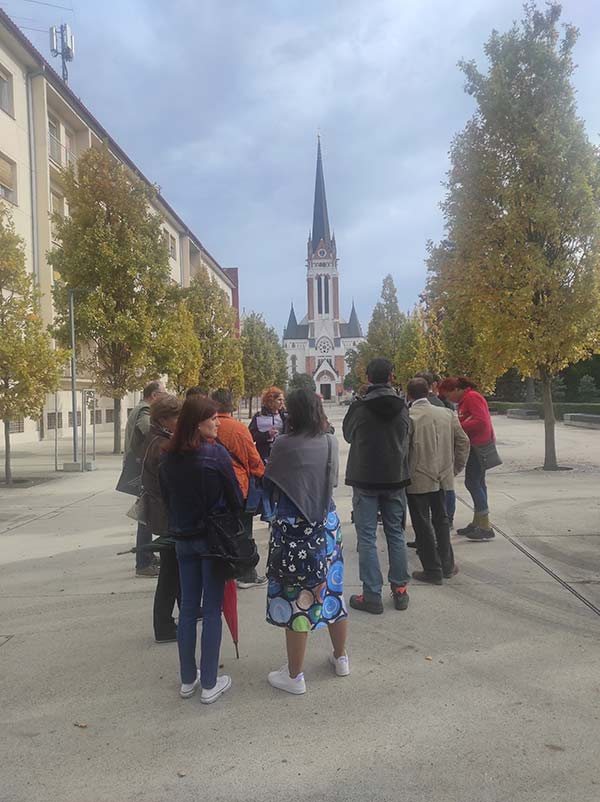 Figure 4: Like many other cities, Murska Sobota still relies heavily on monocultural plantings in much of its urban landscaping.
The right choice of plant species remains the foundation of a high-quality planting
In the city center, we visited the main street, which was completely renovated two years ago. Lime trees (Tilia ×europaea) were replaced with honey locusts (Gleditsia triacanthos). The species selection is appropriate, and the trees were clearly planted up to standards. During discussion, we questioned the decision of removing lime trees. Planting a single-tree species in an urban area is a risky practice and does not align with recommendations for climate-adapted plantings.
At the other end of the street, a large perennial bed along the paved area was planted with multiple perennial species of varying heights. The layered effect gives a positive overall impression. However, using creeping St. John’s wort (Hypericum calycinum) is problematic as the plant struggles under current climate conditions. The bed also includes yarrow (Achillea sp.). Here, in combination with other species, it performs well. However, yarrow as a sole species in a bed nearby is not adequate. The aboveground parts die back at the end of the flowering season, leaving the bed looking empty in autumn and winter. Layered plantings under trees should include multiple species, with dominant plants chosen to maintain aesthetic appeal even when some species die back.
We concluded the tour at a roundabout, planted with groundcover roses (Rosa ‘Knock Out’). This variety performs well in diverse conditions across different locations in Slovenia. These specific plants are thriving and already flowering well, even though they are only in their second growth season.
In conclusion, Murska Sobota demonstrates a shift towards contemporary urban landscaping guidelines, such as layered plantings. According to participants, the municipality collaborates effectively with green space management services, which is a positive sign. At the same time, several shortcomings remain. Some areas— even recently renovated ones – still have excessive paved surfaces and few plant species (singles-species plantings), which are unsuitable from the perspective of biodiversity and creating pleasant urban environments.
Text by Bernarda Strgar Matjaž Mastnak and prof. dr. Gregor Osterc
